
Quick Answer
Public toilets are generally easy to find in Chinese cities, especially near metro stations, railway stations, airports, parks, shopping streets, scenic areas, museums, and highway service areas. Ordinary public toilets are usually free. A paid toilet or a customer-only toilet can exist, but it is not the normal planning assumption for a city day out.
The practical limitation is not usually whether a toilet exists. It is whether one is close enough, open, clearly marked, stocked with paper, and comfortable for your needs. Use a simple fallback system: go before a long train or coach ride, search for 公共厕所 or 卫生间, carry your own tissue, and use a hotel, mall, museum, or restaurant toilet when you want a more predictable stop.
Where Toilets Are Usually Easiest to Find
Your strongest options are places that already manage large visitor flows:
- railway stations and airports
- metro interchanges and major bus terminals
- shopping malls and department stores
- large museums and ticketed attractions
- public parks and scenic-area entrances
- highway service areas
- hotels and larger restaurants
Small neighborhood streets can be less predictable. A map may show a toilet inside a building that is closed, on another floor, or intended for customers. Treat a map result as a lead, then look for the sign or ask staff. Beijing’s official transportation guidance for new arrivals is a useful example of planning around staffed transport hubs rather than assuming every street has the same facilities.
In a busy itinerary, do not wait until the last minute. Use the toilet when you arrive at a station, before entering a large park, and before starting a long attraction route. This is especially useful when the next section involves a queue, mountain path, boat ride, or rural transfer.
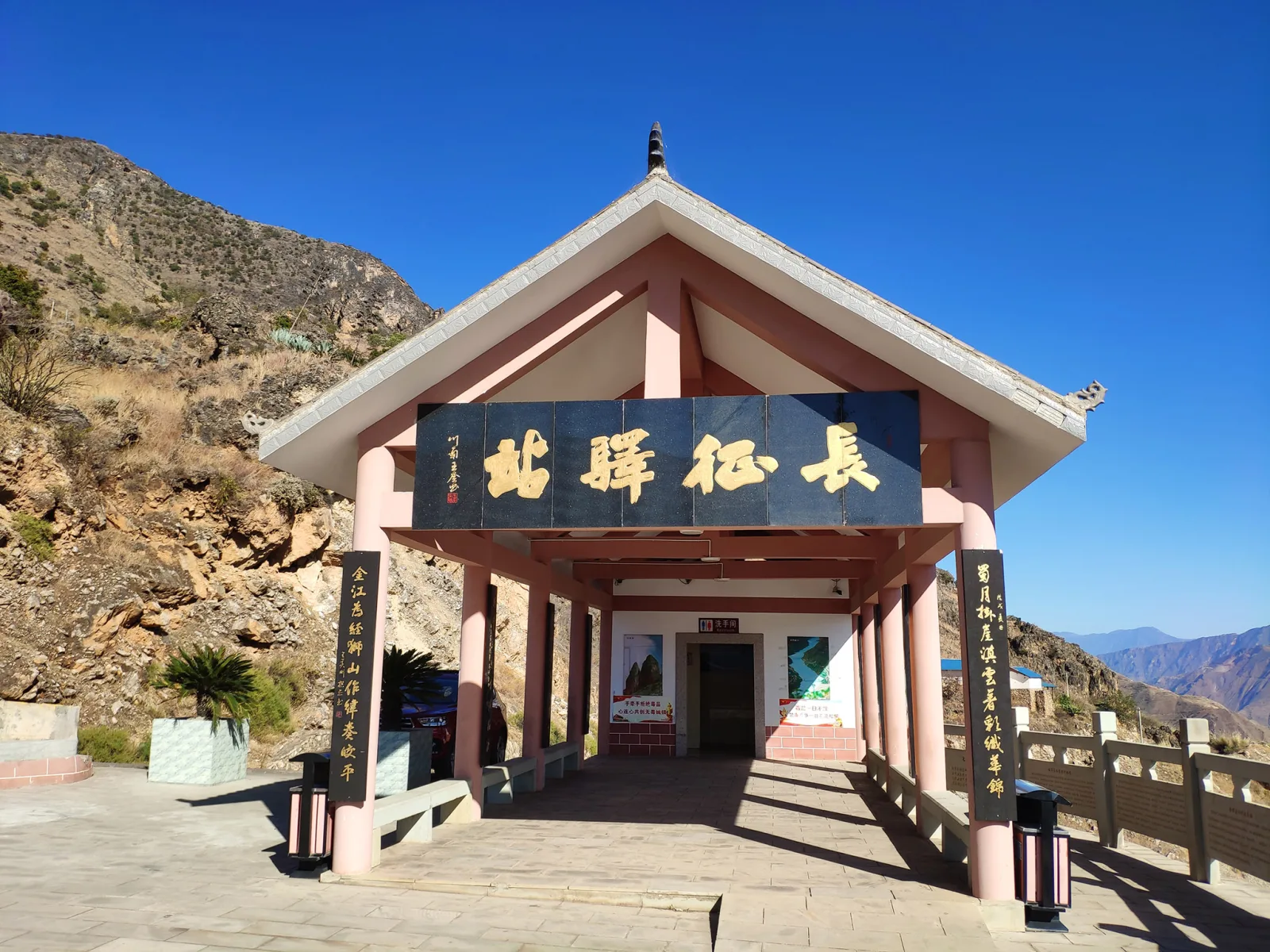

The Chinese Signs to Recognize
The most useful signs are:
- 卫生间: washroom or restroom
- 洗手间: washroom
- 公共厕所: public toilet
- 男: men
- 女: women
- 无障碍卫生间: accessible restroom
You can show this short question on your phone:
请问,卫生间在哪里?
Excuse me, where is the restroom?
At a station or attraction, add the word 最近 for “nearest.” Staff may point rather than explain in English, so watch the direction, floor number, and exit sign.
Are Public Toilets Free?
For an ordinary municipal public toilet, assume no charge unless a sign says otherwise. Toilets in transport hubs, attractions, malls, and service areas may follow the facility’s own rules, but visitors normally do not need to buy a separate toilet ticket.
Do not confuse a free public toilet with a free customer service. A cafe, hotel, restaurant, or paid attraction may reserve its facilities for customers or ticket holders. In practice, staff will often help if you ask politely, but the more reliable choice is to use a clearly marked public facility or the building you have entered legitimately.
What May Be Different Inside
Facilities vary more than the signs suggest. You may find:
- seated toilets, squat toilets, or both
- paper in a dispenser, paper at the entrance, or no paper in the cubicle
- soap and hand dryers, or only a sink
- a dry floor, a wet floor, or a strong cleaning smell
- a queue for the seated cubicles
- an accessible or family room that is occupied or locked
Carry a small tissue pack and hand sanitizer. This is not a statement that every public toilet is dirty. It is a low-effort way to avoid making one missing dispenser affect your day. The CDC’s China travel guidance also recommends ordinary hand and food hygiene precautions for travelers. Follow posted instructions about flushing paper. If a bin is provided beside the toilet, use it rather than assuming every plumbing system accepts large amounts of paper.
Rural Areas, Scenic Sites, and Long Day Trips
Mountain parks, old towns, village areas, and long sightseeing routes can have toilets without having one at every viewpoint. Before leaving a station or visitor center, check the route and ask where the next facility is. For a day at a large scenic site, save the entrance, visitor center, cable-car station, and return route in your map app.
On a rural bus or private transfer, use the last reliable toilet before departure. A driver may know where the next stop is, but the timing can depend on traffic, weather, queues, or the route selected that day. For children, older travelers, and anyone with a medical condition, build the stop into the itinerary instead of treating it as an emergency search.
Accessibility and Privacy
Accessible toilets are available in many modern public buildings, stations, airports, malls, and attractions, but their condition and availability vary. If step-free access matters, check the building’s entrance, lift, route, and toilet separately. A station may have an accessible toilet on a different concourse from the platform you need.
Baby-changing facilities and family rooms are more likely in airports, large malls, and newer attractions than in a small street toilet. Ask at an information desk rather than walking through several floors with a child or stroller.
For personal privacy, use a hotel or larger venue when the public option is crowded or uncomfortable. Leave valuables with you, keep your passport and phone secure, and do not leave a bag outside the cubicle.
A Small Toilet Plan That Works
- Use the toilet before a long train, coach, mountain, or boat segment.
- Save 公共厕所, 卫生间, and 洗手间 in your translation notes.
- Carry tissue, wipes, and a small hand-sanitizer bottle.
- At a large station or attraction, note the floor, gate, or landmark.
- Check the next stop before entering a rural or scenic route.
- Use posted flushing and facility instructions.
For related preparation, save the China travel address sheet, review what English to expect in China, and keep the airport-to-city plan available for the first arrival day. The goal is not to investigate every restroom in advance. It is to make the next reliable stop obvious before you need it.